
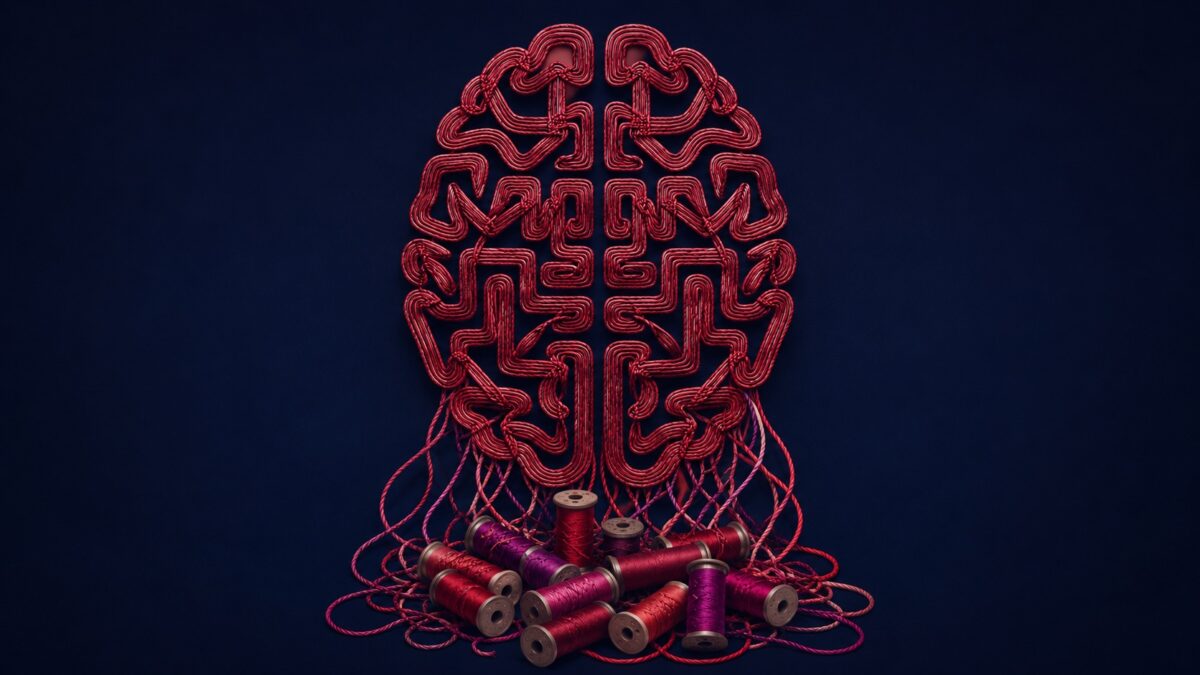
A thousand years before the word “psychosomatic” was coined, a scholar in Balkh wrote a sentence that medicine only rediscovered in the last century. The human being consists of body and soul, and no health is complete as long as one treats only the one and passes over the other.
Abū Zayd al-Balkhī, who died in 322 after the Hijra, was a universal scholar in the truest sense. He was a student of al-Kindī, and he wrote some sixty works on geography, medicine, philosophy, and theology. Almost nothing of this survives. But his work Maṣāliḥ al-Abdān wa-l-Anfus, “The Wellbeing of Bodies and Souls”, has survived, and it is a small wonder. The first part deals with the body. The second part deals with the soul.
And here al-Balkhī becomes a pioneer. He names and orders mental suffering long before anyone else did. He devotes separate chapters to fear and panic, to anger, to grief and despondency, and to the intrusive obsessive thoughts he calls waswasa. Against fear he recommends exposing oneself to the feared thing step by step. Against grief, relearning one’s inner thoughts. He calls it treatment through the opposite, al-ʿilāj bi-l-ḍidd. Modern psychology arrived at the same idea a thousand years later and called it reciprocal inhibition.
Where did he get this category, which Greek medicine lacked? From his view of the human being. For al-Balkhī, the human being was body and rūḥ, both from Allah, both in need of care. Mental suffering, he held, needs a treatment of its own kind, one that suits the soul. His famous sentence sums it up.
“Religion is the greatest of the philosophies, and a person becomes a true philosopher only when he becomes a worshipper.”
Abū Zayd al-Balkhī
His knowledge grew out of faith, not against it. The Islamic view of the human being gave him the very tool with which he could grasp the soul as a subject of medicine in the first place.
The soul belongs to the art of healing
This is the lesson we are now learning anew. Fear, grief, and obsessive thoughts are not a lack of faith to be ashamed of. They are conditions that one treats with knowledge and with nearness to Allah. Mental health does not stand outside the medicine of Islam. It stands at its center, and a Muslim from Balkh wrote this down more than a thousand years ago.