
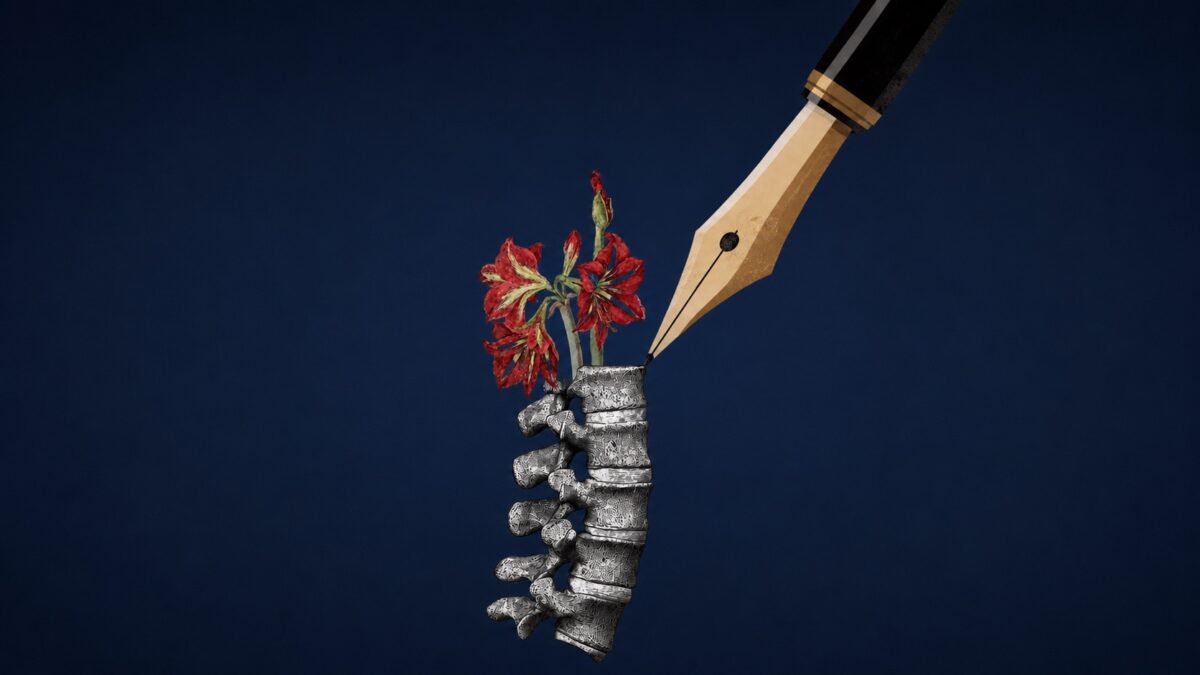
When Şerefeddin Sabuncuoğlu was eighty years old, he did not retire. He took up pen and brush and began to draw. Page by page he set down every surgical procedure he had learned in a long life, so that a young physician who would never meet him could nonetheless learn the craft.
Born in 1385 in the northern Anatolian city of Amasya, he was trained at the city’s hospital, the Dârüşşifâ from the year 1308. There he treated the sick for over fourteen years and taught young physicians. This hospital was, like the Bīmāristāns before it, a pious endowment, a Waqf, in which the art of healing was a service and not a business.
His knowledge reached far back. Sabuncuoğlu studied the writings of the Andalusian surgeon az-Zahrāwī and built on his work. Yet he was no mere translator. Shortly before his death he completed his famous work Cerrahiyyetü’l-Haniyye, “The Imperial Surgery”, and filled it with well over a hundred observations and improvements of his own.
It was the first illustrated surgical textbook of its tradition. Where the ancients only described, Sabuncuoğlu painted. He drew the instruments, the procedures, the physician and the patient, in color, so that learning would become easy. His range reached from ophthalmology through the treatment of bone fractures and urinary stones to obstetrics and pediatric surgery. Remarkably, he was the first to depict women physicians at work as well.
In a second work, the Mücerrebnâme, the “Book of Experiences”, he set down what he had tested himself as a physician. He did not take over the transmitted knowledge blindly, but tried out the effect of the medicines and wrote down his results. Many historians of medicine see in this an early forerunner of what we today call evidence-based medicine.
Khidma beyond death
What makes him a model for us is not only that he treated the sick to the best of his knowledge and conscience. For Sabuncuoğlu, the best treatment was an ʿibāda, a way of seeking the pleasure of Allah, and so he never rested content with what he had reached. Above all, he wanted his knowledge to outlive him. He did not hoard it; he gave it away, so clearly and so simply that the next generation could learn from it with ease. That is Khidma in the purest sense, a service that reaches beyond one’s own death.
The Prophet ﷺ said:
إِذَا مَاتَ الإِنْسَانُ انْقَطَعَ عَنْهُ عَمَلُهُ إِلاَّ مِنْ ثَلاَثَةٍ إِلاَّ مِنْ صَدَقَةٍ جَارِيَةٍ أَوْ عِلْمٍ يُنْتَفَعُ بِهِ أَوْ وَلَدٍ صَالِحٍ يَدْعُو لَهُ
“When a person dies, his works come to an end, except for three: an ongoing charity, knowledge from which benefit is drawn, or a righteous child who prays for him.”
Ṣaḥīḥ Muslim 1631
Şerefeddin Sabuncuoğlu left people a beneficial knowledge through his research and his writings, a Ṣadaqa Jāriya that continues to work to this day. May Allah reward him abundantly. Āmīn.