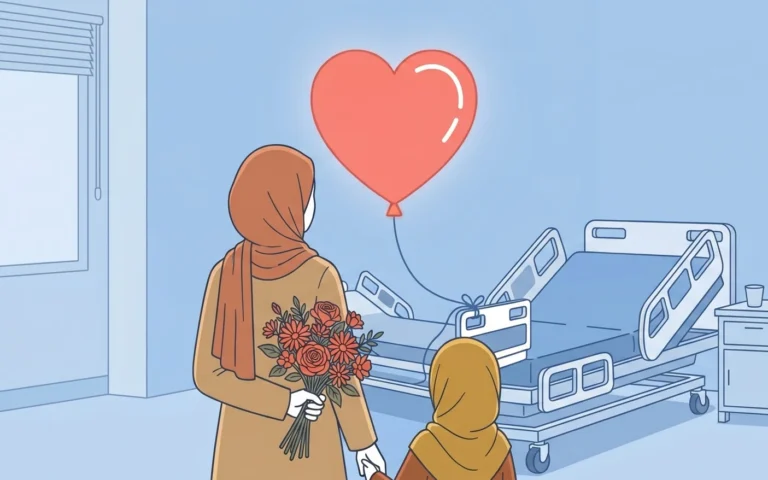
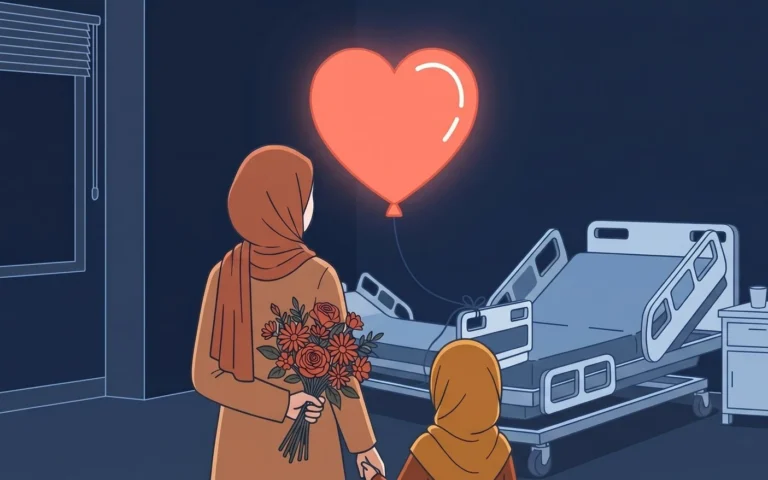
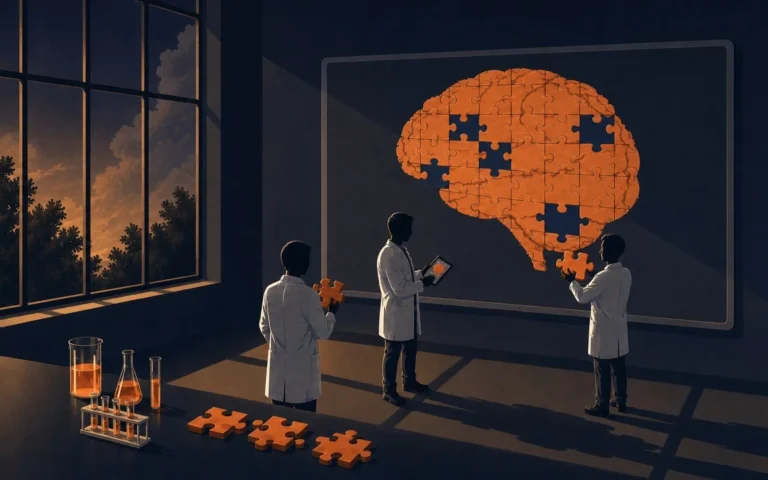
In the contemporary world, illness is viewed almost exclusively through a material lens. It appears as a disruption of a system oriented toward performance, consumption, and functionality. The sick person is regarded as a “failure”: unable to work, restricted, a generator of costs. Even public discourse speaks of rising “sick days,” of economic burdens on companies and healthcare systems, including in Germany, particularly in major cities, where rising absenteeism is regularly analysed in economic terms.
This perspective is not entirely wrong, but it is radically incomplete. It reduces the human being to function and illness to its economic effect. What is wholly omitted is the question of meaning, of wisdom, of the standing of the human being before Allāh. Islam takes up the matter precisely here and opens an altogether different lens.
The Patient in the Islamic Understanding
In Islam, the sick person does not lose dignity. For dignity does not arise from productivity, but from the relationship with Allāh.
The Prophet ﷺ said:
مَا يُصِيبُ الْمُسْلِمَ مِنْ نَصَبٍ وَلاَ وَصَبٍ وَلاَ هَمٍّ وَلاَ حُزْنٍ وَلاَ أَذًى وَلاَ غَمٍّ حَتَّى الشَّوْكَةِ يُشَاكُهَا، إِلاَّ كَفَّرَ اللَّهُ بِهَا مِنْ خَطَايَاهُ
No fatigue, nor disease, nor sorrow, nor sadness, nor hurt, nor distress befalls a Muslim, even if it were the prick he receives from a thorn, but that Allah expiates some of his sins for that.
Sahih al-Bukhari 5641, 5642, Book 75, Hadith 2 (Book of Patients); cf. Sahih Muslim 2573, Book 45, Hadith 66
Illness, then, is not merely a deficit; it is purification (takfīr al-dhunūb). It is not merely loss, but a process of inner refinement.
Here begins the fundamental difference: while the modern world asks “What does the human being lose through illness?,” Islam asks: “What might he gain before Allāh?”
The Prophets as the Measure of Trial
If illness were a sign of worthlessness, the Prophets would have been spared from it. Yet the opposite is the case.
The Messenger of Allāh ﷺ said:
أَشَدُّ النَّاسِ بَلاَءً الأَنْبِيَاءُ، ثُمَّ الأَمْثَلُ فَالأَمْثَلُ
The most severely tried people are the Prophets, then those nearest to them, then those nearest to them.
Jami` at-Tirmidhi 2398, Book 36, Hadith 96 (hasan sahih)
The principle is clear: a higher standing means a more intense trial.
Ayyūb (peace be upon him) stands as the exemplary figure of patience in illness:
وَأَيُّوبَ إِذْ نَادَىٰ رَبَّهُۥٓ أَنِّى مَسَّنِىَ ٱلضُّرُّ وَأَنتَ أَرْحَمُ ٱلرَّٰحِمِينَ
And [mention] Job, when he called to his Lord, "Indeed, adversity has touched me, and You are the most merciful of the merciful."
Sūra al-Anbiyāʾ 21:83 · Sahih International (quran.com translation ID 20)
Here illness is not merely a bodily condition; it is an opportunity for turning towards Allāh.
The Prophet ﷺ Himself: Illness as the Reality of Perfection
Perhaps the deepest correction lies in the fact that the best human being who ever lived (the Messenger of Allāh ﷺ) himself fell gravely ill.
ʿĀʾisha (may Allah be pleased with her) reported:
عَنْ عَائِشَةَ رضى الله عنها قَالَتْ: مَا رَأَيْتُ أَحَدًا أَشَدَّ عَلَيْهِ الْوَجَعُ مِنْ رَسُولِ اللَّهِ صلى الله عليه وسلم.
ʿĀʾisha (may Allah be pleased with her) said: “I never saw anybody suffering so much from sickness as Allah’s Messenger ﷺ.”
Sahih al-Bukhari 5646, Book 75 (The Book of Patients), Hadith 6
And he ﷺ said:
عَنْ عَبْدِ اللَّهِ قَالَ: دَخَلْتُ عَلَى رَسُولِ اللَّهِ ﷺ وَهْوَ يُوعَكُ، فَقُلْتُ: يَا رَسُولَ اللَّهِ، إِنَّكَ تُوعَكُ وَعْكًا شَدِيدًا. قَالَ: أَجَلْ، إِنِّي أُوعَكُ كَمَا يُوعَكُ رَجُلَانِ مِنْكُمْ. قُلْتُ: ذَلِكَ أَنَّ لَكَ أَجْرَيْنِ؟ قَالَ: أَجَلْ، ذَلِكَ كَذَلِكَ. مَا مِنْ مُسْلِمٍ يُصِيبُهُ أَذًى، شَوْكَةٌ فَمَا فَوْقَهَا، إِلَّا كَفَّرَ اللَّهُ بِهَا سَيِّئَاتِهِ، كَمَا تَحُطُّ الشَّجَرَةُ وَرَقَهَا.
Narrated ʿAbdullāh (ibn Masʿūd): I visited the Messenger of Allāh ﷺ while he was suffering from a high fever. I said: "O Messenger of Allāh, you have a very high fever." He said: "Yes, I have a fever as much as two men of you have." I said: "Is it because you will have a double reward?" He said: "Yes, it is so. No Muslim is afflicted with any harm, even if it were the prick of a thorn, but that Allāh expiates his sins because of that, as a tree sheds its leaves."
Sahih al-Bukhari 5648, Book 75 (Book of Patients), Hadith 8
These statements show that his trial was not lesser, but more intense.
In his final days, the Prophet ﷺ suffered from a severe fever. His illness was visibly grave, his physical weakness real, and yet his turning towards Allāh remained unbroken.
Here lies a fundamental insight: illness does not contradict perfection. It can, in fact, be the very expression of a higher standing.
Ṣabr and Shukr: The Twofold Structure of Faith
The Prophet ﷺ said:
عَجَبًا لِأَمْرِ الْمُؤْمِنِ، إِنَّ أَمْرَهُ كُلَّهُ خَيْرٌ، وَلَيْسَ ذَاكَ لِأَحَدٍ إِلَّا لِلْمُؤْمِنِ: إِنْ أَصَابَتْهُ سَرَّاءُ شَكَرَ فَكَانَ خَيْرًا لَهُ، وَإِنْ أَصَابَتْهُ ضَرَّاءُ صَبَرَ فَكَانَ خَيْرًا لَهُ
Strange are the ways of a believer, for there is good in every affair of his, and this is not the case with anyone except a believer: if he has occasion to feel delight, he is thankful, and that is good for him; and if he is afflicted with hardship, he is patient, and that too is good for him.
Sahih Muslim 2999, Book 55, Hadith 82 (Book of Zuhd and Softening of Hearts); narrated by Suhayb b. Sinan
This is no emotional consolation, but a theological structure: the believer lives between shukr (gratitude) and ṣabr (patience). Health activates the one, illness the other; both lead to Allāh.
Illness as Elevation in Rank
The Prophet ﷺ said:
إِنَّ الرَّجُلَ لَيَكُونُ لَهُ عِنْدَ اللَّهِ الْمَنْزِلَةُ، فَمَا يَبْلُغُهَا بِعَمَلٍ، فَلَا يَزَالُ اللَّهُ يَبْتَلِيهِ بِمَا يَكْرَهُ حَتَّى يُبَلِّغَهُ إِيَّاهَا
Truly, a man has a station with Allāh which he does not reach through his deeds; so Allāh continually tries him with what he dislikes until He brings him to it.
Sunan Abī Dāwūd 3090, Book 21 (Kitāb al-Janāʾiz); narration of al-Lajlāj al-Sulamī. Parallel wording from Abū Hurayra in al-Silsila al-Ṣaḥīḥa no. 2599.
Here a wisdom often hidden becomes visible: there are stations that cannot be attained through voluntary deeds, but only through patience in trial. This means that illness can be a means by which Allāh raises the servant.
Healing Comes from Allāh Alone
As much as Islam calls upon the use of means (medicine, treatment, prevention), the ultimate cause remains unmistakable: Healing does not come from the medication, but from Allāh.
The Prophet ﷺ used to say:
اللَّهُمَّ رَبَّ النَّاسِ، أَذْهِبِ الْبَأْسَ، اشْفِ أَنْتَ الشَّافِي، لاَ شِفَاءَ إِلاَّ شِفَاؤُكَ، شِفَاءً لاَ يُغَادِرُ سَقَمًا
O Allāh, Lord of the people, remove the harm. Heal, for You are the Healer; there is no healing but Your healing, a healing that leaves behind no sickness.
Sahih al-Bukhari 5742, Book 76 (Medicine), Hadith 57; mirror Sahih Muslim 2191, Book 39 (Greetings), Hadith 61
Here the entire medical order of the world is rightly placed: the human being acts, Allāh heals.
A Repressed Dimension of Our Time
The modern world fears illness not only because of pain, but because illness interrupts the worldly project:
- pleasure is curtailed
- productivity declines
- control is lost
- life itself appears threatened
For this reason, illness is often repressed, hospitals avoided, and death banished from public consciousness.
Islam, by contrast, compels confrontation with reality. The human being is not created for permanent enjoyment, but for trial. Illness is not a flaw in the system; it is part of the system.
Closing Word
Illness remains hard. Islam demands no naive idealisation of pain. Yet it refuses the reading that illness is merely meaningless loss.
The patient is not only a medical case. He is a servant of Allāh in a state of particular trial.
His pain may erase sins. His patience may open ranks. His weakness may bring him closer to Allāh than his strength.
And if even the Messenger of Allāh ﷺ (the best of creation) experienced illness and showed patience within it, then illness is not a sign of lost worth, but a possible site of divine nearness.